* All product/brand names, logos, and trademarks are property of their respective owners.
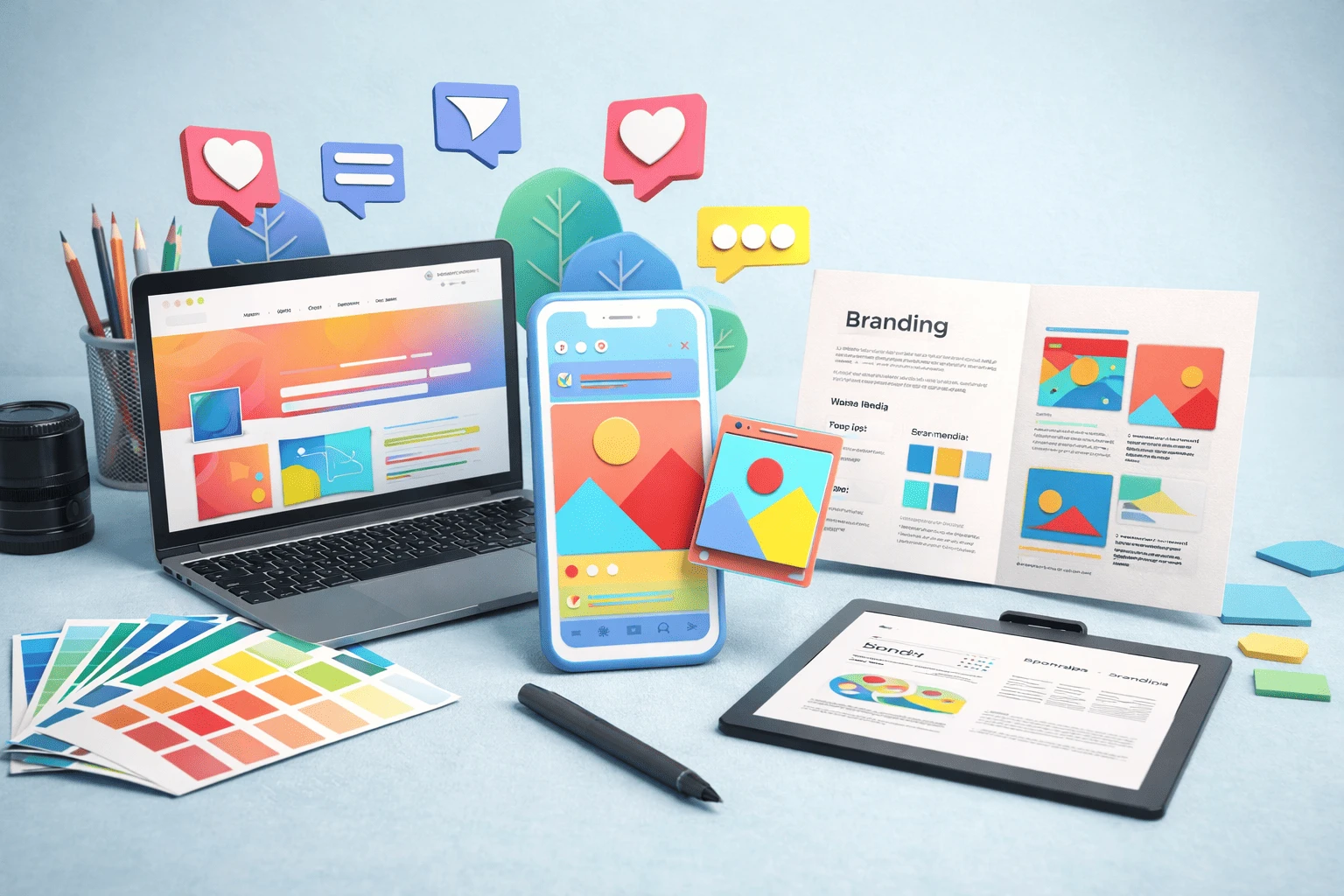
In today’s fast-moving digital world, having strong visuals isn’t a luxury — it’s a necessity. Whether you’re a small business owner, content creator, marketer, or designer, your brand’s visual identity can make or break first impressions. That’s where design templates come in — smart, time-saving tools that help you create professional-quality content without starting from scratch. From social media posts that grab attention to website layouts that look clean and modern, and branding templates that tie everything together, templates are powerful resources. They’re pre-designed files you can customize with your own text, images, and colors — giving you polished results without needing advanced design skills.
Imagine posting eye-catching Instagram stories in minutes, launching a personal website with a sleek design, or presenting a cohesive brand identity with a beautiful logo and style guide — all with the help of a ready-made template.
In this blog, we’ve gathered some of the best design templates for social media, websites, and branding projects. Whether you’re looking for free resources, premium kits, or just exploring what’s out there, you’ll find tools and inspiration tailored to your needs. Plus, we’ll show you where to find these templates, how to customize them, and what to look for when choosing the right ones for your brand.
Creating stunning, scroll-stopping content for social media doesn’t have to be complicated. Whether you’re managing a personal brand or promoting a business, using the right social media templates can save hours of design time and elevate your brand image across all platforms.
Social media platforms each have their own vibe — what works on Instagram might not land on LinkedIn. That’s why having platform-specific templates is a game-changer. Tools like Canva, Adobe Express, and VistaCreate offer pre-sized, customizable templates for all major platforms. You can create Instagram Stories, Facebook ads, LinkedIn banners, and more — all designed to fit perfectly and look professional.
These templates are especially helpful for:
Content creators who need fast, stylish visuals
Social media managers juggling multiple clients
Small businesses that want a polished look without hiring a designer
You can quickly add your brand colors, fonts, and logos to keep everything consistent. With drag-and-drop editors, you don’t need to be a design pro — just pick a template and tweak it to match your brand.
Want to take your brand visuals to the next level? Look into social media kits. These are bundles of templates designed to work together visually — perfect for building brand recognition. You get a whole suite of graphics for posts, stories, carousels, and even highlights — all in a consistent style.
Some top-rated kits are available on Creative Market, Envato Elements, and Etsy. These kits often include:
Templates for 5–10 different post types
Bonus icons or graphic elements
Easily editable files in Canva, Photoshop, or Illustrator
Using a cohesive kit ensures your feed looks clean and professional, which boosts engagement and trust.
If you're just starting or have a tight budget, free social media templates can be a great option. Websites like Canva, Adobe Express, and Visme offer a wide range of free templates. They're easy to use, and many are surprisingly high quality. However, if you’re looking for more variety, unique styles, or commercial usage rights, premium templates are worth the investment. They often come with:
More professional designs
Better customization options
Support for advanced editing tools (like Photoshop or Illustrator)
Pro tip: Use free templates for day-to-day content and invest in a few premium ones for product launches, promotions, or major campaigns.
Beyond social media, the look and feel of your website and brand identity play a huge role in how people perceive your business. Whether you're launching a personal portfolio or building a company brand, using professional design templates can help you make a strong, consistent impression — and save valuable time in the process.
A well-designed website is your digital storefront. But not everyone has the time or skill to build one from scratch. That’s where website templates come in — pre-built, fully customizable designs that help you launch a professional site fast.
Popular platforms like ThemeForest, Webflow, Squarespace, and Wix offer thousands of responsive templates tailored to different industries:
Creatives & portfolios: Clean, image-focused layouts for photographers, artists, and designers
Small businesses: Functional, conversion-driven designs for services, restaurants, and e-commerce
Agencies & startups: Bold, modern templates with space for case studies, testimonials, and calls to action
Many templates are mobile-friendly, SEO-optimized, and compatible with popular CMS platforms like WordPress or Shopify.
Tip: Look for templates that allow easy editing — drag-and-drop builders are ideal for non-tech users.
Your brand identity is more than just a logo — it includes colors, fonts, patterns, and the overall “feel” of your business. Using branding templates can help you define this quickly and professionally, especially if you're not working with a full-time designer.
Platforms like Canva, Envato Elements, and Creative Market offer a range of brand kits that include:
Logo templates with editable icons and typography
Style guides to keep visual consistency across platforms
Stationery sets including business cards, letterheads, and email signatures
These templates are perfect for:
Startups that need a quick brand identity
Freelancers & agencies launching new ventures
Rebrands or visual refresh projects
Using templates for branding ensures a unified look — so whether someone sees your social post, website, or business card, they instantly recognize your brand.
To make the most of these templates, you’ll need the right tools. Luckily, many platforms make it easy to edit templates — no advanced design skills required.
Here are some go-to options:
Canva: Great for beginners; offers templates for everything from logos to resumes
Adobe Creative Cloud (Photoshop, Illustrator, InDesign): Best for advanced customizations
Figma: Ideal for UI/UX and web templates
Visme & VistaCreate: All-in-one platforms for marketing visuals
These tools offer cloud-based editing, collaboration features, and access to millions of assets — helping you bring your branding, social, and web templates to life with ease.
In a world where attention spans are short and visual branding is everything, using design templates is one of the smartest ways to keep your content professional, cohesive, and consistent. Whether you're running a personal blog, managing social media for a brand, or building a full-scale business website, templates make your job easier, faster, and more effective.
From eye-catching social media posts and complete branding kits to responsive website layouts, the resources out there today are endless. You don’t need to be a design expert — know where to look, choose the right templates for your needs, and make a few custom tweaks to make them your own.
The best part? These templates grow with you. Start with free options to test what works, then scale up with premium resources as your needs expand. Whether you're crafting a new visual identity or just want to save time while staying on-brand, templates give you the tools to look like a pro without the high cost. Ready to take your visual content to the next level? Explore the template tools and platforms mentioned in this guide, try a few out, and start creating stunning designs today — no design degree required.
Related
Best Free and Paid Stock Photo Sites for Graphic Designers

Mushraf Baig is a content writer and digital publishing specialist focused on data-driven topics, monetization strategies, and emerging technology trends. With experience creating in-depth, research-backed articles, He helps readers understand complex subjects such as analytics, advertising platforms, and digital growth strategies in clear, practical terms.
When not writing, He explores content optimization techniques, publishing workflows, and ways to improve reader experience through structured, high-quality content.
Every creator knows the feeling: you want to make something fresh, but your ideas feel stuck. You sc
26 May 2026
Designers are always on the lookout for high-quality assets, but not everyone has the budget to pay
17 April 2026
If you’ve ever worked on a website or app design, you know the feeling. You start with a wiref
24 February 2026
Be the first to share your thoughts
No comments yet. Be the first to comment!
Share your thoughts and join the discussion below.


