* All product/brand names, logos, and trademarks are property of their respective owners.
In the world of design, there’s a long-standing idea that using templates is somehow “cheating.” Many creatives still carry this belief—that unless every element is handcrafted from scratch, it’s not truly original. But here’s the truth: that mindset is not just outdated, it’s holding teams back.
Design today isn’t just about aesthetics—it’s about speed, scale, and strategy. We’re living in a content-first world where businesses, creators, and brands are expected to deliver high-quality visuals across platforms every day. Trying to do that without systems in place? That’s not creative freedom—it’s burnout.
That’s where smart design templates come in. And no, they’re not lazy shortcuts. These aren’t the static, cookie-cutter layouts of the early 2000s. Today’s templates are dynamic, customizable, and built to evolve with your brand. They offer structure without stifling creativity, and flexibility without sacrificing consistency.
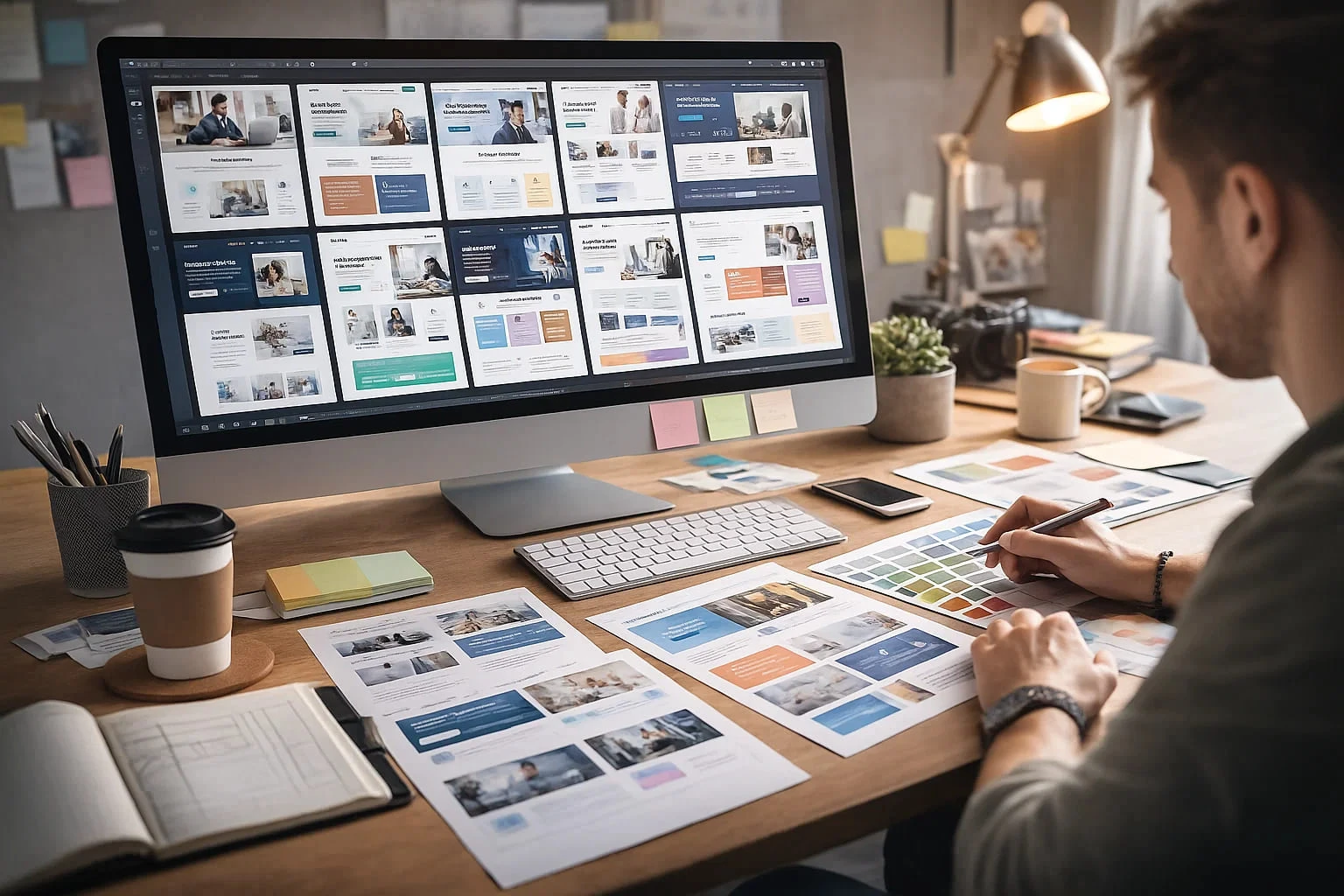
Think of smart templates as your creative co-pilot. They handle the repetitive work—layout, alignment, brand colors—so you can focus on what really matters: the message, the concept, the story. And with tools like Canva, Figma, and Adobe Express constantly pushing template technology forward, the future of design is looking more efficient—and more innovative—than ever.
This blog will explore how templates have transformed from a designer’s dirty little secret to a powerful tool used by top agencies, startups, and solo creatives alike. You’ll learn why templates aren’t cheating—they’re smart design thinking in action.
Templates didn’t always have the best reputation in the design world. For years, using a template was seen as taking the easy way out—a shortcut for those who “couldn’t design from scratch.” In creative communities, originality was the ultimate badge of honor. Anything pre-designed was often dismissed as generic, uninspired, or even lazy.
This bias was rooted in how templates used to function. Early templates were static, inflexible, and hard to customize. They lacked the tools for true creative input, making them feel more like cookie-cutter solutions than professional resources. So naturally, many designers avoided them, fearing their work would look the same as everyone else’s.
Fast forward to today, and the game has changed completely. Templates have gone through a serious transformation—thanks in large part to advancements in design tools and AI. What we have now are smart templates: dynamic, responsive, and tailored for customization.
Unlike the templates of the past, smart templates are made to adapt. They can auto-adjust for different screen sizes, formats, or brand colors. Designers can lock certain brand elements while allowing team members to customize others. And with tools like Canva’s “Brand Kits” or Figma’s component libraries, templates can now be living systems that evolve with each project.
These innovations don’t limit creativity—they expand it. Instead of wasting hours on repetitive formatting, designers can focus on concept development, storytelling, and visual impact.
Smart templates aren’t just a creative boost—they’re becoming essential in modern workflows. For design teams juggling multiple campaigns, templates bring much-needed structure and speed. They reduce the time spent reinventing the wheel and ensure brand consistency across every piece of content.
In marketing, templates help teams launch campaigns faster. In publishing, they’re enabling editors to format content without needing a designer’s help. And in small businesses, they empower non-designers to create beautiful visuals without starting from scratch every time.
Simply put, templates in design are no longer optional—they’re strategic. And their rise isn’t about replacing creativity; it’s about supporting it at scale.
Let’s tackle the biggest myth head-on: that templates kill creativity. In reality, the opposite is true. When used intentionally, templates are powerful design tools that enhance creativity—not replace it.
Think about it: creativity thrives when your mind isn’t bogged down by repetitive tasks. Templates take care of the time-consuming structure—things like layout, spacing, and alignment—so you can focus on storytelling, branding, and innovation. They’re not a crutch; they’re a creative launchpad.
Great designers don’t avoid templates—they master them. They know how to customize, adapt, and evolve templates into something unique. And in many ways, starting with a smart structure gives creatives more room to experiment, not less.
Across industries, smart templates are empowering teams to scale design without sacrificing quality.
Take branding teams, for instance. Companies like Airbnb, HubSpot, and even local Pakistani startups use templates to keep their visual identity consistent across hundreds of assets—social media posts, emails, presentations, and more. With customizable design templates, they ensure everything stays on-brand, even when different people are creating the content.
Social media teams are another great example. Instead of building every post from scratch, they use adaptive templates to change out images, headlines, or formats in seconds—freeing up time to focus on strategy and engagement.
Even solo entrepreneurs and small business owners are reaping the benefits. Platforms like Canva or Visme let non-designers work like pros using ready-made yet fully editable templates. The result? High-quality content without the high cost.
Looking ahead, the role of templates in design is only going to grow. With AI and machine learning integrated into modern design tools, smart templates are becoming more intelligent. They can now suggest design layouts, auto-resize for platforms, and even recommend text edits—all based on your brand data.
These systems are turning templates into living, breathing design ecosystems. They’re not static files—they’re design infrastructure. As more brands demand personalization and real-time content, smart templates will become the backbone of creative workflows.
Not at all. The idea that templates are cheating is outdated. Modern design templates—especially smart, customizable ones—are tools that enhance efficiency and creativity. They’re widely used by top agencies and professionals to save time and ensure consistency.
A smart design template is an advanced, editable layout that allows for dynamic customization. These templates often integrate features like brand automation, adaptive formatting, and AI-based suggestions. They're commonly used in tools like Canva, Figma, and Adobe Express.
Smart templates are becoming core to modern design workflows. With features like AI personalization, automated resizing, and brand-lock capabilities, they enable faster, smarter, and more scalable creative production—especially in content-heavy industries like marketing, publishing, and social media.
For too long, templates have carried an unfair label—“cheating,” “lazy,” or “uninspired.” But as we’ve seen, that couldn’t be further from the truth. Today’s smart templates are intelligent, flexible, and designed to scale creativity, not suppress it.
Templates aren’t about cutting corners. They’re about working smarter, not harder. They eliminate repetitive design tasks, speed up production, and ensure consistency across teams and platforms. Whether you're a solo designer, a startup, or a global brand, smart templates are becoming essential tools in the modern creative workflow.
We've explored how templates have evolved—from rigid layouts to dynamic systems powered by AI and automation. We've seen how teams use them to boost efficiency, maintain brand integrity, and even spark fresh ideas. The reality is: the future of design templates isn’t static—it’s adaptive, responsive, and collaborative.
So let’s shift the narrative. Templates aren’t a sign of weak creativity—they’re a sign of smart design thinking.
If you’re still avoiding templates because you think they’re “cheating,” it’s time to reconsider. Embrace them. Experiment with them. Customize them. Let smart templates take care of the structure—so you can take care of the magic.
Ready to design smarter? Start exploring smart template tools today and see what they can unlock for your creativity.
Also Read
Best Websites to Download High-Quality Design Resources for Free

An SEO specialist with a strong focus on improving website rankings and search performance.
Experienced in keyword research, on-page optimization, and content strategy.
Skilled at increasing organic traffic and enhancing online visibility.
Uses data-driven methods aligned with search engine best practices.
Committed to delivering sustainable, long-term SEO results.
Every creator knows the feeling: you want to make something fresh, but your ideas feel stuck. You sc
26 May 2026
Designers are always on the lookout for high-quality assets, but not everyone has the budget to pay
17 April 2026
If you’ve ever worked on a website or app design, you know the feeling. You start with a wiref
24 February 2026
Be the first to share your thoughts
No comments yet. Be the first to comment!
Share your thoughts and join the discussion below.


