* All product/brand names, logos, and trademarks are property of their respective owners.
Branding today is no longer limited to designing a logo or choosing a color palette. In the modern digital world, branding has become a complete visual and emotional experience. Graphic designers play a central role in shaping how people see, feel, and connect with brands across multiple platforms.
Consumers are more visually aware than ever. They scroll fast, compare quickly, and expect brands to feel authentic and consistent. This shift has pushed leading graphic designers to adopt modern creative branding techniques that go beyond aesthetics. Every design choice—from typography to motion—serves a purpose and tells a story. Another major change is how many touchpoints a brand has today. A brand lives on websites, mobile apps, social media, packaging, videos, and even animations. Because of this, designers now focus on building brand systems, not just standalone visuals. These systems help brands stay recognizable while remaining flexible.
In this blog, we’ll explore the modern creative branding techniques used by leading graphic designers today. We’ll cover essential foundations every designer should master and then move into innovative approaches shaping today’s most successful brands. Whether you’re a beginner or an experienced designer, these techniques will help you create branding that truly connects.

Strong branding always starts with solid foundations. While trends come and go, leading graphic designers understand that clear structure, consistency, and strategy are what make branding effective. These core techniques form the backbone of any successful brand identity.
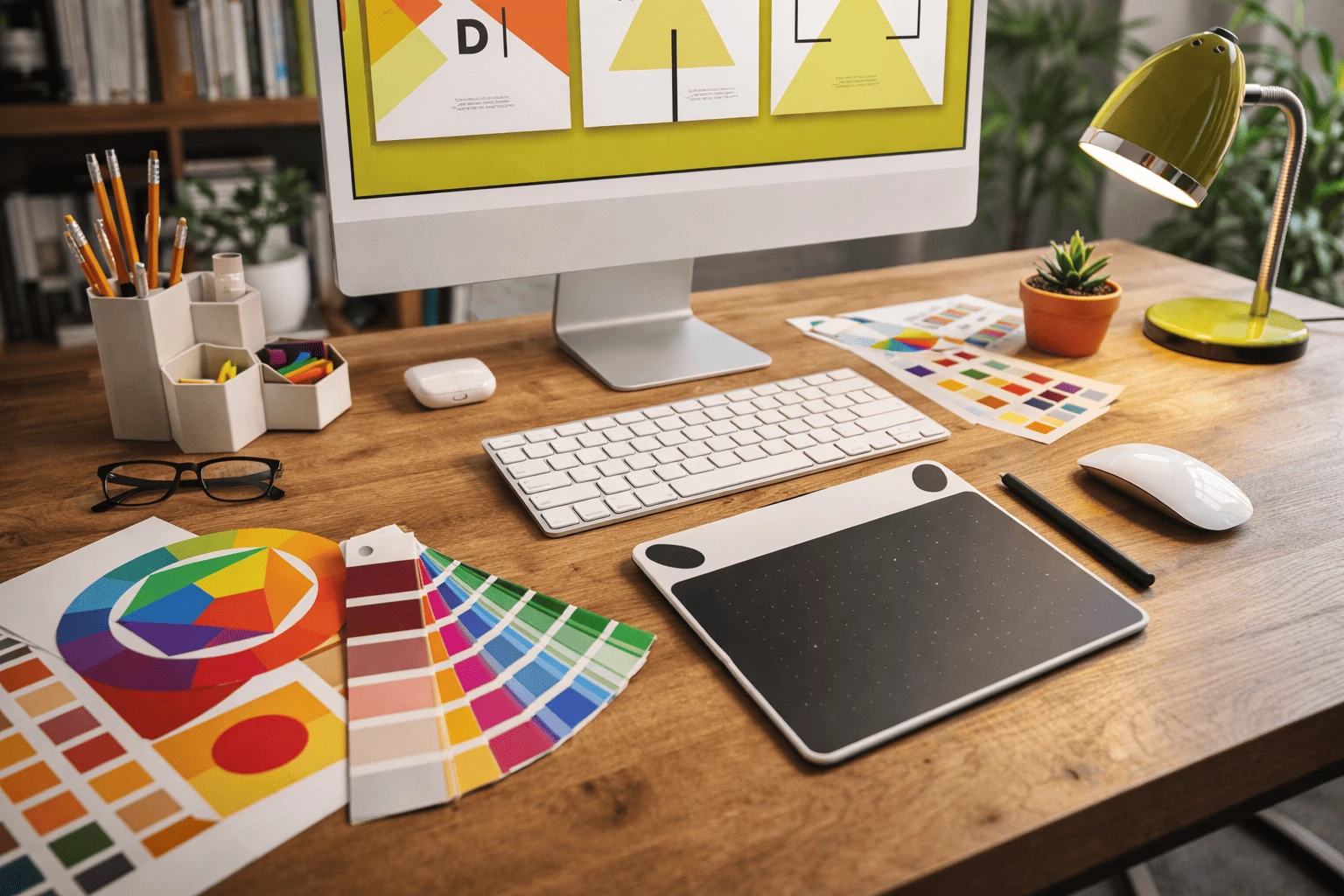
One of the most common branding mistakes is treating the logo as the entire brand. In reality, a logo is just one element of a much bigger system. Leading graphic designers think in terms of complete brand identities that include color palettes, typography, layout styles, imagery, icons, and visual guidelines.
Modern branding focuses on systems rather than single designs. These systems allow brands to stay consistent across different platforms like websites, social media, packaging, and advertisements. When everything feels connected, the brand becomes easier to recognize and trust. Designers also plan for the future. A good brand identity should be flexible enough to grow with the business. Whether the brand expands into new markets or platforms, the visual identity should still work without losing its core personality. This long-term thinking is what separates average branding from professional branding.
Color is one of the most powerful tools in creative branding. It influences emotions, creates associations, and helps people remember a brand. That’s why leading graphic designers use color intentionally rather than based on personal preference.
Different colors communicate different feelings. Blue often represents trust and reliability, while yellow feels energetic and optimistic. Designers choose color palettes based on the brand’s values, industry, and target audience. They also ensure that colors remain consistent across all platforms. Shapes and visual balance are equally important. Rounded shapes often feel friendly and approachable, while sharp angles can feel bold or professional. Spacing, alignment, and layout balance help guide the viewer’s eye and make designs easier to understand.
In modern branding, simplicity matters. Clean layouts and clear visuals perform better, especially in digital spaces where attention spans are short. Designers aim to communicate messages quickly and clearly without overwhelming the audience.
Typography plays a major role in shaping how a brand feels. Fonts are not just for readability—they communicate personality, tone, and mood. Leading graphic designers treat typography as a core branding element.
A modern sans-serif font might suggest innovation and simplicity, while a serif font can feel traditional and trustworthy. Designers carefully select typefaces that match the brand’s voice and audience. In some cases, custom typography is used to make the brand more unique. Font pairing is also important. Headings, subheadings, and body text should work together to create visual hierarchy and flow. Good typography improves readability and makes content more engaging.
Accessibility is another key consideration. Modern designers ensure that font sizes, spacing, and contrast work well across devices. When typography is done right, it quietly strengthens the brand without distracting from the message.
Once the foundations are in place, innovation is what helps brands stand out. Leading graphic designers constantly adapt to new technologies, platforms, and user behaviors. Modern branding focuses on experience, emotion, and interaction.
Storytelling has become one of the most important techniques in modern branding. Instead of simply showing what a brand does, designers focus on why the brand exists and how it connects emotionally with people.
Visual storytelling uses colors, imagery, layouts, and symbols to communicate a brand’s values and message. For example, a brand focused on sustainability might use natural textures, earthy tones, and organic shapes to visually support its mission. Consistency is key in storytelling. The same visual language should appear across websites, social media, and marketing materials. When the story feels consistent, the brand becomes more memorable and trustworthy.
Leading designers start with research—understanding the brand’s purpose, audience, and goals—before translating that story into visuals. This approach makes branding feel authentic rather than forced.
Branding today is largely experienced on screens. Because of this, leading designers adopt a digital-first mindset when creating brand identities. Designs are optimized for websites, apps, and social platforms from the start.
Motion branding is a major part of this shift. Animated logos, transitions, and micro-interactions bring brands to life. Even subtle animations can make a brand feel more modern and engaging. Interactive branding focuses on how users experience a brand. Hover effects, scrolling animations, and responsive elements all contribute to how a brand feels. These interactions help brands feel more human and approachable.
By combining motion and interaction, graphic designers create branding that feels dynamic and relevant in a digital-first world.
Minimalism continues to dominate modern branding, but it’s more than just using fewer elements. Leading designers use minimal design to create flexible and scalable brand systems that work across all sizes and platforms.
Modern brands need identities that look good on everything from small mobile screens to large displays. This has led to responsive logos, simplified icons, and adaptable layouts. Flexibility is especially important for startups and growing businesses. Designers create systems that can evolve without losing the brand’s core identity. Multiple logo variations, modular elements, and scalable color systems make this possible.
Minimal branding also improves clarity. When visuals are clean and consistent, messages are easier to understand and remember. This approach helps brands stay relevant in a fast-changing design landscape.

Modern creative branding is a thoughtful mix of strategy, creativity, and execution. Leading graphic designers don’t just make things look good—they design brand experiences that connect emotionally and communicate clearly.
From building strong identity systems to using color, typography, and layout with purpose, foundational techniques ensure stability and consistency. At the same time, innovative approaches like storytelling, motion, and digital-first branding help brands stand out in competitive markets. One of the biggest lessons in modern branding is the importance of flexibility. Brands must stay recognizable while adapting to new platforms, technologies, and audience expectations. This is why designers focus on systems rather than single designs.
For graphic designers, mastering these modern creative branding techniques is essential. Clients and audiences expect branding that performs, not just visuals that look attractive. By combining strong foundations with innovation, designers can create work that leaves a lasting impression. Creative branding will continue to evolve, but designers who stay curious, adaptable, and strategic will always stay ahead.
Related Article
How Fresh Aesthetic Trends Are Transforming the Future of Graphic Design

Mushraf Baig is a content writer and digital publishing specialist focused on data-driven topics, monetization strategies, and emerging technology trends. With experience creating in-depth, research-backed articles, He helps readers understand complex subjects such as analytics, advertising platforms, and digital growth strategies in clear, practical terms.
When not writing, He explores content optimization techniques, publishing workflows, and ways to improve reader experience through structured, high-quality content.
You opened Canva or Figma for the first time, made something, and thought "this looks nothing like w
29 April 2026
Scroll through any design forum or beginner group, and you’ll notice a pattern—people co
27 April 2026
If you scroll through Instagram, watch a YouTube video, or even look at a product package, you&rsquo
10 April 2026
1 comment on this article
Feb 13, 2026, 10:19 AM
I genuinely enjoyed reading this post because it was very helpful for me. The way you described the topic made it easy to understand, and it helped me improve my knowledge. I was looking for a clear explanation, but this one was more detailed and practical. Many thanks for writing such great content. Keep up the good work.
Share your thoughts and join the discussion below.


