Edesignify

UI/UX Design
Graphic Design
Web Design
Design Tools
Tutorials
Inspiration
Career & Freelancing
Resources
Design Thinking & Theory
Sunday, April 19, 2026
Edesignify
Edesignify

Explore expert content on UI/UX design, graphic design, and creative tools. Get access to step-by-step tutorials, design trends, free resources, portfolio tips, and freelance insights to grow your design career and sharpen your skills.

Follow us

Categories

  • UI/UX Design
  • Graphic Design
  • Web Design
  • Design Tools
  • Tutorials
  • Inspiration
  • Career & Freelancing
  • Resources
  • Design Thinking & Theory

Policies

  • About
  • Get inTouch Edesignify
  • Privacy Policy
  • Terms & Conditions
  • Disclaimer

Newsletter

Subscribe to Email Updates

Subscribe to receive daily updates direct to your inbox!

*We promise we won't spam you.

*All content on Edesignify is for educational and informational purposes only.

© 2026 EdesignifybyTETRA SEVEN

HomeInspirationOrganic Design Inspiration: The Trend Everyone Is Loving Right Now

Organic Design Inspiration: The Trend Everyone Is Loving Right Now

ByFeroza Arshad

18 April 2026

Organic Design Inspiration: The Trend Everyone Is Loving Right Now

* All product/brand names, logos, and trademarks are property of their respective owners.

1

views


FacebookTwitterPinterestLinkedIn

Scroll through Pinterest or Instagram for a few minutes, and you’ll start noticing a pattern—soft curves, warm neutral tones, natural textures, and spaces that just feel calm. That’s not random. It’s all part of the rising love for organic design inspiration.

People are moving away from harsh lines and overly polished interiors. Instead, there’s a clear shift toward spaces that feel more human, more relaxed, and more connected to nature. Whether it’s a cozy living room with layered textures or a simple ceramic vase on a wooden table, organic design brings a sense of ease that many modern styles lack.

At its core, this trend isn’t about perfection—it’s about creating spaces that feel natural, lived-in, and quietly beautiful.

What Is Organic Design (And Why It Feels So Different)

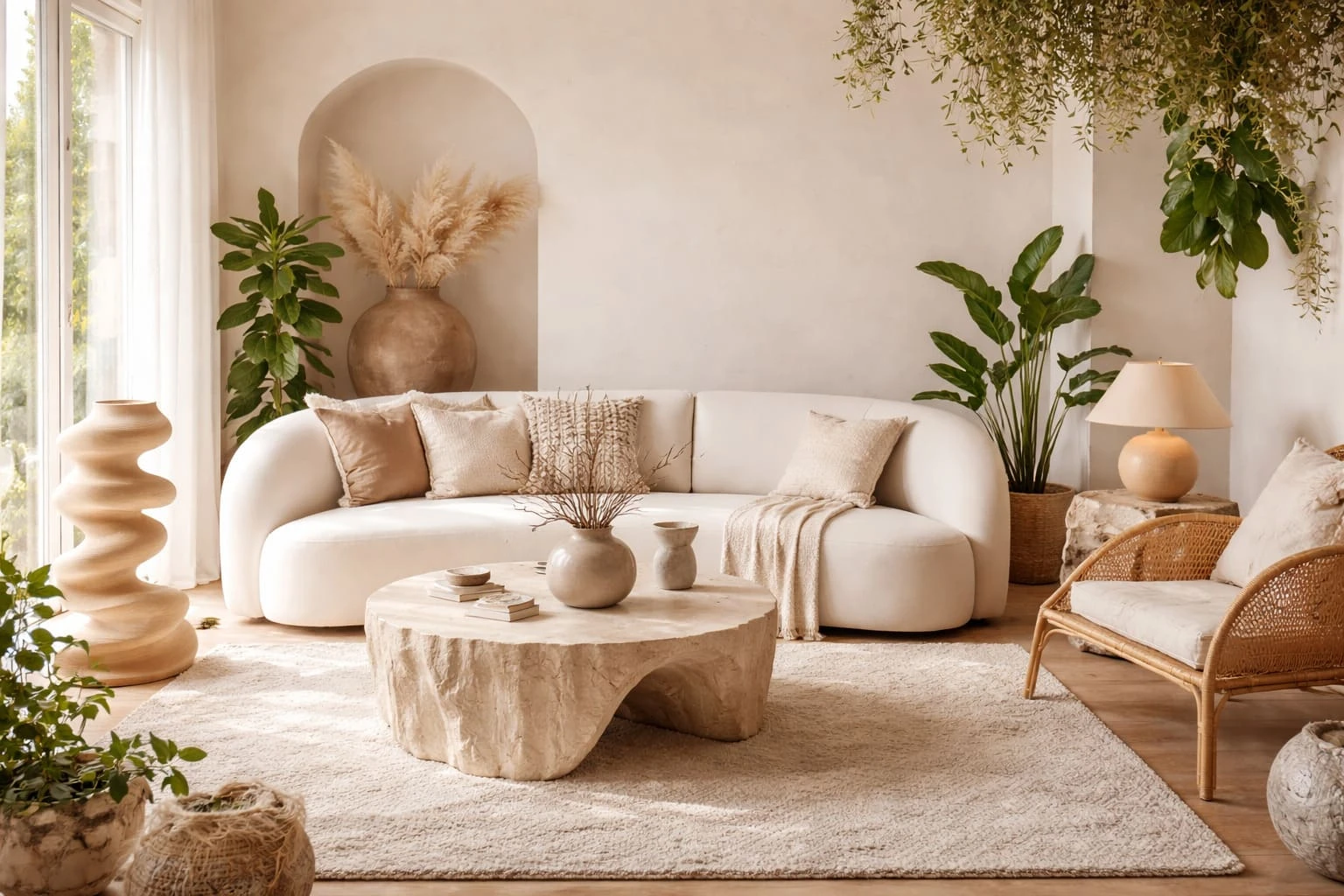
Organic design is a style built around softness, balance, and a natural feel. Instead of sharp edges, strict symmetry, and overly structured layouts, it uses curved shapes, raw textures, earthy colors, and materials that feel close to nature.

That is what makes it feel different from many modern spaces. A lot of modern design can look clean and stylish, but sometimes it also feels cold or too perfect. Organic design keeps the simplicity, but adds warmth and comfort.

You will usually notice a few clear traits in organic spaces:

  • Soft, curved lines instead of hard corners
  • Natural materials like wood, stone, linen, cotton, clay, and rattan
  • Earth-inspired colors such as beige, olive, sand, brown, cream, and muted green
  • Texture and depth instead of shiny, flawless surfaces
  • A relaxed, lived-in feel rather than a staged look

Another reason people connect with this style so easily is that it feels more human. Nature is rarely perfectly straight or polished, so spaces inspired by nature often feel calmer and easier to live in. A rounded chair, a textured wall, or a handmade bowl may seem like small details, but together they change the mood of a room.

Why Organic Design Is Trending Right Now

Organic design didn’t just appear out of nowhere—it reflects how people are feeling and living today. The growing popularity of this style is closely tied to lifestyle shifts, especially in busy, urban environments.

One major reason is the constant exposure to screens and fast-paced routines. After spending hours in digital spaces, people naturally crave environments that feel softer and more grounding. Organic design offers that quiet contrast.

Here are the key reasons behind its rise:

  • A need for calm and comfort
    Homes are no longer just functional spaces—they’re where people relax, recharge, and spend more time. Softer shapes and natural materials create a more peaceful atmosphere.
  • Burnout from overly “perfect” aesthetics
    Highly polished, picture-perfect interiors can feel unrealistic and hard to maintain. Organic design embraces imperfection, which makes spaces feel more authentic and easier to live in.
  • The influence of social media
    Platforms like Pinterest and Instagram have played a huge role in popularizing warm, nature-inspired visuals. People are drawn to spaces that feel cozy, minimal, and visually soothing.
  • Smaller living spaces
    In apartments and compact homes, heavy or rigid designs can feel overwhelming. Organic design, with its light tones and soft forms, helps spaces feel more open and breathable.
  • Growing interest in natural and sustainable living
    There’s increasing awareness around materials and lifestyle choices. Using wood, stone, and handmade items feels more thoughtful and environmentally conscious.

Organic design fits perfectly into modern life because it balances simplicity with warmth. It doesn’t demand a complete lifestyle change—it simply makes everyday spaces feel better to live in.

Key Elements of Organic Design

To really understand and apply this style, it helps to break it down into a few core elements. These are the details that give organic spaces their calm, natural feel.

  • Natural materials
    Think wood, stone, clay, linen, cotton, and rattan. These materials add warmth and texture in a way that synthetic finishes can’t replicate.
  • Earthy color palettes
    Colors are usually soft and grounded—beige, cream, taupe, olive green, warm browns, and muted greys. These tones create a relaxed and balanced environment.
  • Curved shapes and soft edges
    Furniture, decor, and even layouts often avoid sharp corners. Rounded sofas, oval tables, and arched mirrors help the space feel more fluid and inviting.
  • Texture over perfection
    Organic design celebrates imperfections. Slightly rough finishes, woven fabrics, and handmade items add depth and character instead of looking overly polished.
  • Connection to nature
    This can be through indoor plants, natural light, or even design choices that mimic nature—like flowing shapes or layered elements.
  • Minimal but not empty
    Spaces are kept simple, but not cold. Every piece has a purpose, and clutter is reduced without making the space feel bare.

When these elements come together, the result is a space that feels effortless. Nothing looks forced, yet everything works in harmony.


Organic Design Inspiration for Your Home

This is where things get exciting. Organic design isn’t just a concept—it’s something you can actually see and feel in your space. The key is to keep it simple, natural, and intentional.

a) Living Room Ideas

The living room is often the easiest place to start. Small changes here can completely shift the mood.

  • Choose a neutral-toned sofa with soft, rounded edges
  • Add layered textures like linen cushions, wool throws, or woven rugs
  • Use a wooden coffee table or one with an organic, uneven shape
  • Decorate with ceramic or clay pieces instead of glossy items
  • Keep the layout open and avoid overcrowding

b) Bedroom Ideas

Organic design works beautifully in bedrooms because it naturally creates a calm and restful environment.

  • Stick to soft, muted colors like cream, beige, or light olive
  • Use natural fabrics for bedding (cotton, linen)
  • Add a simple wooden bed frame or headboard
  • Keep decor minimal—focus on a few meaningful pieces
  • Let in as much natural light as possible

c) Small Space / Apartment Ideas

You don’t need a big home to use organic design. In fact, it works especially well in smaller spaces.

  • Use light, airy colors to make the space feel bigger
  • Choose multi-functional furniture with simple, soft shapes
  • Avoid heavy or bulky items that crowd the room
  • Add a few plants instead of too many decorative objects
  • Keep surfaces clean to maintain a breathable feel

The goal isn’t to redesign everything overnight. Even a few thoughtful changes—like switching materials or softening shapes—can make your space feel more natural and inviting.

Beyond Interiors — Organic Design in Everyday Life

Organic design isn’t limited to home decor. Once you start noticing it, you’ll see it everywhere—from the apps you use to the clothes you wear. The same principles of softness, natural flow, and simplicity carry across different areas of life.

Here’s how this trend shows up beyond interiors:

  • Graphic design
    Websites, logos, and social media visuals are moving toward fluid shapes, soft edges, and natural color palettes. Designs feel less rigid and more relaxed, often using hand-drawn elements or imperfect lines.
  • Branding
    Many brands are shifting to a more earthy and human look—muted tones, minimal layouts, and packaging that feels handmade or sustainable rather than overly polished.
  • Fashion
    Organic design shows up in flowy fabrics, relaxed fits, and neutral colors. Think linen shirts, loose silhouettes, and materials that move naturally instead of structured, stiff clothing.
  • Lifestyle choices
    The trend connects closely with slow living and mindful habits—decluttering spaces, choosing quality over quantity, and creating environments that feel calm instead of busy.

What makes this trend so powerful is its consistency. Whether it’s your home, your wardrobe, or your digital space, organic design creates the same feeling—simple, natural, and easy to live with.


For More Info:

Graphic Design in 2026: A Simple Guide for Beginners

How to Bring Organic Design Into Your Space (Without a Full Makeover)

You don’t need to start from scratch to enjoy organic design. A few small, intentional changes can make a big difference. The goal is to shift the feel of your space, not replace everything in it.

Here’s how to get started:

1. Start with Colors

Color has an immediate impact.

  • Swap bright or harsh tones for warm neutrals like beige, cream, or soft grey
  • Add earthy accents like olive green, clay, or muted brown
  • Keep the palette simple and cohesive

2. Switch to Natural Materials

Even one or two material changes can shift the look.

  • Replace plastic or glossy items with wood, ceramic, or glass
  • Use linen or cotton for cushions, curtains, or bedding
  • Add a woven basket or rug for texture

3. Add Plants (But Keep It Simple)

Plants bring life into a space instantly.

  • Choose low-maintenance indoor plants
  • Use clay or stone pots instead of shiny planters
  • Avoid overcrowding—one or two well-placed plants are enough

4. Soften the Shapes

Look at the lines in your space.

  • Add round mirrors, curved lamps, or oval tables
  • Balance out sharp furniture with softer decor pieces
  • Even small curved accents can change the overall feel

5. Focus on Lighting

Lighting affects mood more than most people realize.

  • Let in as much natural light as possible
  • Use warm lighting instead of cool white bulbs
  • Add soft lamps instead of relying only on overhead lights

6. Declutter with Purpose

Organic design thrives in calm, open spaces.

  • Remove items that don’t serve a purpose or bring value
  • Keep surfaces clean but not empty
  • Choose a few meaningful pieces instead of many random ones

These steps are simple, but they work. You don’t need a perfect setup—just a few thoughtful adjustments can make your space feel more natural, relaxed, and comfortable.


Conclusion

The growing love for organic design inspiration is easy to understand. It brings together simplicity, comfort, and a natural feel that fits perfectly into modern life. Instead of chasing perfection, it focuses on creating spaces that feel real, calm, and easy to live in.

What makes this trend stand out is how flexible it is. You don’t need a full redesign or a big budget to make it work. Small changes—like switching materials, softening shapes, or simplifying your space—can have a noticeable impact.

If there’s one takeaway, it’s this: start simple. Pay attention to how your space feels, not just how it looks. Over time, those small, thoughtful choices come together to create something that feels both beautiful and natural.

Tags:Brandingdesign inspirationLow MaintenanceModern LifeOrganic Design
Feroza Arshad

Feroza Arshad

View profile

My name is Feroza Arshad, and I am a passionate blogger and content creator focused on writing high-quality, engaging, and SEO-friendly content. I specialize in topics such as lifestyle, fashion, personal growth, and digital trends.

I enjoy creating well-researched blog posts that are both reader-friendly and optimized for search engines. My goal is to provide valuable information, improve online visibility through content writing, and connect with a wider audience through storytelling and useful insights.

With a strong interest in blogging and SEO content writing, I continuously work on improving my skills in keyword research, on-page SEO, off-page and content strategy to deliver impactful articles that rank and engage.

Related Posts

Tactile Craft: Designs That You Can Almost Feel Through the ScreenInspiration

Tactile Craft: Designs That You Can Almost Feel Through the Screen

21 February 2026

10 Brand UI Designs That Will Inspire Your Next ProjectInspiration

10 Brand UI Designs That Will Inspire Your Next Project

22 January 2026

Top Mobile UX Screens That Boost User EngagementInspiration

Top Mobile UX Screens That Boost User Engagement

13 January 2026

The Most Beautiful UI Designs of the Year You Need to SeeInspiration

The Most Beautiful UI Designs of the Year You Need to See

11 November 2025

Comments

Be the first to share your thoughts

No comments yet. Be the first to comment!

Leave a Comment

Share your thoughts and join the discussion below.

Popular News

Ultimate List of Free Design Resources Every Designer Needs

Ultimate List of Free Design Resources Every Designer Needs

17 April 2026

Discover the best free design resources, including fonts, images, icons, tools, and AI platforms to improve your design workflow.

Read More
Prompt Engineering for Freelancers: The Skill Nobody Told You About

Prompt Engineering for Freelancers: The Skill Nobody Told You About

16 April 2026

Learn how prompt engineering helps freelancers work faster, improve quality, and earn more using AI tools like ChatGPT.

Read More
Canva vs Adobe vs Figma — Which Design Tool Wins in 2026?

Canva vs Adobe vs Figma — Which Design Tool Wins in 2026?

15 April 2026

Compare Canva, Adobe, and Figma in 2026. Find the best design tool for beginners, professionals, and freelancers.

Read More
The Future of Education: How EdTech Is Redefining Learning in 2026

The Future of Education: How EdTech Is Redefining Learning in 2026

13 April 2026

Explore how EdTech is transforming education in 2026 through AI, virtual classrooms, and personalized learning.

Read More
Design Thinking and Theory: Building Smarter, More Creative Solutions

Design Thinking and Theory: Building Smarter, More Creative Solutions

11 April 2026

Learn design thinking and theory with practical insights, process steps, and real-world applications to build smarter, user-focused solutions.

Read More
Graphic Design in 2026: A Simple Guide for Beginners

Graphic Design in 2026: A Simple Guide for Beginners

10 April 2026

Learn what graphic design in 2026 really means, the tools used, and how beginners can start step by step with simple examples.

Read More
What is UI/UX Design? Everything You Need to Know

What is UI/UX Design? Everything You Need to Know

8 April 2026

Learn what UI/UX design is, the difference between UI and UX, and how it impacts apps, websites, and careers in this easy beginner guide.

Read More
Free Icons, Illustrations & UI Kits for Web Designers

Free Icons, Illustrations & UI Kits for Web Designers

24 February 2026

Discover the best free icons, illustrations, and UI kits for web designers. Speed up your workflow with high-quality, commercial-use design assets.

Read More
Claymorphism in UI Design: The 3D Trend Transforming Modern Web Interfaces

Claymorphism in UI Design: The 3D Trend Transforming Modern Web Interfaces

24 February 2026

Discover how claymorphism is transforming modern web design with soft 3D visuals, layered shadows, and vibrant UI elements that boost engagement.

Read More
How to Find Long-Term Freelance Clients: Proven Strategies That Work in 2026

How to Find Long-Term Freelance Clients: Proven Strategies That Work in 2026

23 February 2026

Learn proven strategies to attract and retain long-term freelance clients, build recurring income, and grow a stable freelance business in 2026.

Read More